


An electric bike in India usually means one of two things. The first is an electric cycle (e-cycle) with pedals, a motor of 250 watts or less and a top speed of 25 km/h. It needs no driving licence, no RTO registration and no insurance, and most good ones cost between ₹26,000 and ₹67,000 in 2026. The second is a registered electric scooter or motorcycle, which needs a licence, a green number plate and insurance, and may still qualify for a central subsidy of up to ₹5,000 under PM E-DRIVE until 31 March 2028. Pick the first if your daily ride is under 30 km on city roads. Pick the second if you carry a pillion, ride on highways or cover more than 40 km a day.
That one paragraph settles the question most people type into Google. The rest of this guide is for the decisions that come after it: which battery size to buy, whether a ₹5,000 kit is worth it, how long an electric cycle battery really lasts, what a replacement costs, and whether “no licence” claims on Instagram ads are honest.
I have kept every price, rule and number tied to a named source, and I have flagged the places where the market is messy or where sellers tend to stretch the truth. Prices change often in this segment, so treat every figure as a snapshot from October 2026 and confirm it on the brand’s own page before paying.
Key Takeaways
- Legal line: An electric bike with a rated (continuous) motor output of 250W or less and a top speed of 25 km/h or less is treated like a bicycle. Cross either limit and it becomes a motor vehicle that needs registration, a licence and insurance.
- Price bands: Entry e-cycles start around ₹13,500 to ₹26,000, the sweet spot is ₹30,000 to ₹45,000, and long-range or premium models go from ₹55,000 to about ₹90,000.
- Battery is the real cost: A replacement 36V electric cycle battery costs roughly ₹6,500 to ₹15,000. A replacement electric scooter battery costs roughly ₹45,000 to ₹1,20,000, which works out to about ₹19,000 to ₹25,000 per kWh.
- Running cost: A full charge of a typical 36V e-cycle battery uses about 0.3 units of electricity, or ₹2 to ₹2.50. That is under 10 paise per km, against more than ₹2 per km for a petrol scooter.
- Kits: A proper electric bicycle kit with a lithium battery usually costs ₹15,000 to ₹25,000. Anything sold as a complete “electric cycle kit under 5000” is almost always missing the battery.
- Tax and subsidy: E-cycles and electric two-wheelers both attract 5% GST. The PM E-DRIVE subsidy applies only to registered electric two-wheelers, not to e-cycles.
- Safety: For registered electric two-wheelers, battery packs must meet AIS-156 Phase 2. For e-cycles, look for a branded pack with a proper BMS, a matching charger and a written battery warranty of at least two years.
What Counts as an Electric Bike in India?
The phrase “electric bike” gets used for at least four different machines, and the confusion costs buyers money. A parent looking for an electric bike for a 15 year old and a shop owner looking for a heavy duty electric bike for deliveries are looking at completely different products, with different laws attached.
Here is how the categories actually split:
| Type | What it is | Motor and speed | Licence and registration | Typical price (2026) |
| Electric cycle (e-cycle, pedelec) | A bicycle with pedals plus a battery and motor | Up to 250W rated, up to 25 km/h | Not needed | ₹13,500 to ₹90,000 |
| Low-speed electric scooter | A scooter-style vehicle with no pedals, built to stay within the low-speed limits | Up to 250W rated, up to 25 km/h | Not needed if it genuinely stays within limits | Varies widely by model |
| High-speed electric scooter | A regular e-scooter like Ather, Ola, TVS iQube, Chetak, Vida | Usually 2.5 kW to 7 kW peak, 60 to 115 km/h | Licence, registration, insurance and green plate needed | ₹75,000 to ₹1.6 lakh |
| Electric motorcycle | Motorcycle body, often with a hub or mid motor | 3 kW to 15 kW, 70 to 120+ km/h | Licence, registration, insurance needed | ₹1 lakh to ₹2.5 lakh+ |
When I say “electric bike” in the rest of this guide, I will mean the e-cycle unless I say otherwise. That is also where most buyer questions sit: the electric cycle battery, the foldable electric cycle, the electric bicycle kit and the electric fat bike are all e-cycle topics.
Pedal Assist vs Throttle: The Part Nobody Explains Properly
An e-cycle can push you in two ways. In pedal assist (PAS) mode, a sensor detects that you are pedalling and the motor adds power, usually across three to five levels. In throttle mode, you twist or thumb a lever and the motor moves the cycle without pedalling.
Pedal assist is the more efficient mode by a wide margin. A 36V 7.65Ah battery that gives around 35 km on pedal assist might give closer to 20 to 25 km on throttle alone, because the motor is doing all the work. Brands almost always quote the pedal-assist figure. If you plan to ride on throttle most of the time, cut the advertised range by about a third in your head.
There are also two types of pedal sensors. A cadence sensor switches the motor on when the crank turns, regardless of how hard you push. A torque sensor measures how hard you press the pedal and matches the motor’s help to your effort. Torque sensors feel smoother and more natural, and they stretch range further, but they add cost. Most e-cycles under ₹50,000 in India use cadence sensors.
Electric Bike Licence Rules: Does an Electric Scooter Need a Licence?
This is the legal question buyers ask most. Whether you are looking at a non licensed electric scooter, a “without licence” electric scooter ad, or an electric bike no license model for your child, the honest answer is short, but the details matter.
The 250W and 25 km/h Rule
Under the Central Motor Vehicles Rules, 1989, a battery-operated vehicle whose motor is rated at 250W or less and whose top speed is 25 km/h or less is not classed as a motor vehicle. Both conditions have to be met together. A vehicle with a 250W motor that can reach 35 km/h does not qualify. A vehicle limited to 25 km/h but carrying a 500W motor does not qualify either.
When a vehicle falls inside these limits, the usual transport rules do not apply. That means:
- No driving licence
- No RTO registration and no number plate
- No mandatory insurance
- No road tax
According to an explainer on e-vehicleinfo.com, helmets are only legally required above 25 km/h, though wearing one is still the sensible choice.
The “Rated vs Peak” Trick in Non Licensed Electric Scooter Ads
Here is where buyers get caught. The 250W limit is about the motor’s rated or continuous output, not its peak output. Some sellers advertise a “250W” motor that can briefly push 500W to 1,000W, and some offer speed modes that go past 25 km/h. A blog post on beastoftraal.com described one “without licence” brand listing peak power of 500W to 1,000W and a top mode of 40 km/h, which sits outside the exemption.
If an advertisement for a non licensed electric scooter shows a top speed above 25 km/h anywhere in the spec sheet, the “no licence” claim does not hold for that mode. If the police stop you, the vehicle can be treated as an unregistered motor vehicle, and that is a far bigger problem than a missing helmet.
Ask the dealer for two things before you buy a no licence electric scooter or e-bike:
- A document showing the vehicle was tested or certified as a low-speed vehicle (ARAI or ICAT testing is the usual route).
- A spec sheet where both the rated motor power and the top speed are printed, not just peak power.
Which Electric Scooter Does Not Need License?
Any electric scooter or electric bike that genuinely stays within 250W rated power and 25 km/h. These are usually marketed as “low-speed” models. They suit short trips inside a colony, campus or small town. They are not built for main roads with fast traffic, and most cannot carry a second person comfortably.
Electric Scooter Age Limit for Riders
For low-speed e-cycles and e-scooters that fall under the exemption, there is no licence and so no licence age. Many parents buy an electric bike for a teenager for exactly this reason.
For registered electric two-wheelers, the normal licence rules apply. The minimum age for a regular two-wheeler licence is 18. A limited licence for gearless two-wheelers is available from 16 in some cases, but how that applies to electric scooters is handled differently across states. Check with your local RTO rather than relying on a dealer’s word.
Is Helmet Required for Electric Scooter Riders?
On a registered electric scooter or motorcycle, yes, for both rider and pillion, exactly as on a petrol two-wheeler. On a low-speed e-cycle, the law does not require one, but a cycling helmet costs ₹1,000 to ₹3,000 and is worth every rupee. E-cycles reach 25 km/h quickly, which is faster than most people pedal a regular cycle, and falls at that speed hurt.
Green Number Plate and Road Tax
Registered electric vehicles carry a green number plate: white letters for private vehicles and yellow letters for commercial ones. Many states waive road tax and registration charges on EVs. The e-vehicleinfo explainer lists full road-tax waivers in states including Delhi, Maharashtra, Uttar Pradesh, Karnataka, Tamil Nadu and Telangana, though these state policies run on fixed terms and change, so confirm on your state transport department’s site.
Electric Cycle Price in India 2026
Electric cycle prices in India now cover a wide band. You can find a basic model for under ₹15,000 and a premium long-range one for close to ₹90,000. Where you should land depends mostly on how far you ride and how much you weigh, not on brand.
Electric Cycle Price Bands at a Glance
| Budget | What you get | Example models and listed prices |
| Under ₹20,000 | Basic frame, small battery, short range, often single speed | Elecson Eco ₹13,499; Hornback M1 ₹18,999; EMotorad Dope ₹19,999 (17 km/h, kids’ and teen use) |
| ₹20,000 to ₹30,000 | Branded entry models, 36V batteries around 7.5 to 8Ah, 30 to 40 km range | Hero Lectro Y3 ₹25,999; EMotorad X1 ₹25,999 to ₹27,999; Hero Lectro H5 ₹26,999 |
| ₹30,000 to ₹45,000 | The sweet spot: better brakes, disc brakes, larger batteries, some gears | EMotorad X2 ₹31,999; Stryder Voltic GO ₹31,495; Motovolt Kivo Easy ₹31,999; Hero Lectro H7 ₹33,499; EMotorad T-Rex Air ₹36,999 to ₹37,499; Hornback X1 ₹39,999 |
| ₹45,000 to ₹65,000 | Long range (60 to 105 km), bigger batteries, better motors | Motovolt Urbn ₹54,999; EMotorad Doodle Pro ₹55,999; EMotorad Ranger ₹58,999; Aoki Street Mamba ₹59,999; Hero Lectro Muv-E ₹61,999 |
| ₹65,000 and above | Premium components, long-range packs, better suspension | EMotorad Viper ₹66,999 (up to 85 km); Firefox Urban Eco ₹89,150 |
Prices from the ZigWheels electric cycle listing, EMotorad’s 2026 price guide (prices dated 23 September 2026) and Autocar Professional for Stryder. Brand offers move these numbers every few weeks.
What the Extra Money Actually Buys
Going from a ₹26,000 e-cycle to a ₹55,000 one does not double the quality of everything. It mostly buys three things:
- A bigger battery. EMotorad’s lineup shows this clearly. The X1 at ₹27,999 uses a 36V 7.65Ah battery for up to 35 km. The T-Rex Air at ₹37,499 moves to 10.2Ah and up to 50 km. The Viper at ₹66,999 uses a 15.6Ah pack for up to 85 km. Range scales almost directly with battery size.
- Better brakes. Dual mechanical disc brakes are now common from around ₹30,000. Hydraulic discs show up higher. With a cycle that weighs 20 to 28 kg and moves at 25 km/h, braking matters more than people think.
- Better frame and suspension. A front suspension fork and a stronger frame make a real difference on Indian roads, especially if you are heavier or ride over broken patches daily.
Best Electric Cycle Under 30000 Rupees
For most first-time buyers in a city, a model between ₹26,000 and ₹30,000 from a brand with a service network is the safest bet. The Hero Lectro and EMotorad entry models both sit here, both use 36V batteries in the 7.5 to 8Ah range, and both quote 30 to 40 km of range on pedal assist.
What to check at this price:
- Battery warranty of at least two years
- A removable battery, so you can charge it indoors
- At least one disc brake, ideally two
- A service centre or authorised dealer within reasonable distance
Is There Really an Electric Cycle at ₹5,000?
No. Ads promising an electric cycle price of 5000 rupees pop up often, but a working e-cycle with a lithium battery cannot be built and sold for that amount. The battery alone costs more. In fact, a widely shared claim that the Tata group had launched an electric bicycle for ₹3,249 was checked and called fake by fact-checkers at Factly. If you see an ad like that, it is either a scam, a toy, or a listing for a single part.
What ₹5,000 can buy is a regular non-electric cycle, a basic kit without a battery, or a set of spare parts. More on kits later.
Electric Cycle Price in Delhi, Mumbai and Chennai
Many buyers expect the electric cycle price in Delhi to differ from an electric cycle in Mumbai or the best electric cycle in Chennai. In practice, e-cycles from national brands sell at nearly the same ex-showroom price across cities, because they do not carry RTO charges or road tax. Small differences come from delivery charges, dealer accessories and local offers.
Two things do change by city:
- Service access. Brands like Hero Lectro, EMotorad and Stryder have deeper dealer networks in metros. In smaller towns, check whether there is a service point before buying online.
- Riding conditions. Mumbai’s monsoon means water resistance and mudguards matter more. Bengaluru’s hills and Chennai’s heat both stress batteries, so a slightly larger pack is worth it.
For registered electric scooters, city prices do differ more, because on-road price includes registration, insurance and any state incentive. The electric scooter price in Delhi can show a different on-road number from Patna or Noida for the same model.
Types of Electric Bikes: Which One Fits Your Ride?
Once you know your budget, the next question is the body style. Each type below solves a specific problem, and each has a trade-off that sellers rarely mention.
Foldable Electric Cycle (Foldable E Cycle)
The foldable electric cycle, or foldable e cycle, has become one of the most popular formats in India, and the reason is easy to see in any big city: small flats, shared parking, and commutes that mix a metro ride with the last few kilometres.
A foldable electric cycle has a hinge in the frame (and usually in the handlebar stem) so it folds into a package about half its riding length. Most use 16 to 20 inch wheels.
Who should buy one:
- People in apartments without a ground-floor parking spot, who need to carry the cycle into a lift
- Metro or train commuters covering the last mile
- People who want to keep the cycle in a car boot for weekend rides
What to watch out for:
- Weight. Folding does not make an e-cycle light. Most foldable models still weigh 18 to 25 kg once you add the battery and motor. Lift one in the showroom before you buy.
- Hinge quality. The folding joint takes a lot of stress. A cheap hinge develops play over months. Look for a solid locking lever with a safety catch.
- Small wheels. 16 and 20 inch wheels feel twitchy on potholes. If your route is rough, a fat-tyre foldable or a 20 inch model with front suspension will feel steadier.
- Range. Foldable models often carry smaller batteries to keep weight down, so expect 25 to 40 km rather than 60 km.
A folding electric scooter for adults is a different product: a stand-up kick scooter with a motor. These are fun but have small wheels and no seat on most models, and higher-speed versions fall outside the low-speed exemption.
Electric Fat Bike (Fat Tyre Electric Bike)
An electric fat bike uses tyres that are 3 to 4 inches wide, compared with about 1.5 to 2.2 inches on a regular cycle. The wide tyre runs at lower pressure and soaks up bumps, sand, gravel and broken roads.
Fat-tyre e-cycles have become popular in India because they feel stable and look striking. They are also good for heavier riders.
The trade-offs are simple. Fat tyres create more rolling resistance, so a fat bike uses more battery per km than a slim-tyre e-cycle with the same pack. They are also heavier, and they need a wider stand and more parking space. If your whole commute is on smooth tarmac, a fat bike is mostly a style choice. If you ride on rough or unpaved roads, it is a real comfort upgrade.
Elecson’s fat-tyre model was listed at ₹38,277 on ZigWheels, and several mainstream brands offer fat-tyre models between ₹35,000 and ₹60,000.
Heavy Duty Electric Bike
People who want a heavy duty electric bike usually fall into one of two groups: heavier riders (above about 90 kg) and people who plan to carry loads, such as delivery riders or shop owners.
For heavier riders, look at:
- Maximum load rating printed by the maker. Many e-cycles are rated around 100 to 120 kg total including rider.
- Frame material and thickness. A steel or thick-walled alloy frame handles more stress.
- Battery size. More weight means more energy per km. Go up one battery size from what you would otherwise choose.
- Brakes. Dual disc brakes are a must.
For commercial loads, a regular e-cycle is the wrong tool. Look at electric cargo bikes, electric cargo scooters or electric three-wheeler loaders, which are designed for it. Note that most commercial cargo vehicles are registered vehicles and need the right licence and permits.
Electric Cycle for Women, Ladies and Girls
When you shop for an electric cycle for women, a ladies electric cycle or an electric cycle for girls, the main design feature to look for is a step-through frame: a low or dipped top tube so you can step over it easily, even in a saree, salwar or skirt.
A good electric cycle for ladies or girls should have:
- Step-through or low step-over frame. Stryder’s Voltic GO, for example, uses a step-through design.
- Lower total weight, ideally under 22 kg, so it is easy to lift onto a stand or carry up a few steps.
- A front basket or rear carrier for daily errands.
- A comfortable, wider saddle and an upright riding position.
- Removable battery for charging indoors.
Nothing about an e-cycle is gender-specific beyond frame design and fit. Many women prefer a regular diamond frame, and many men prefer step-through models for convenience. Choose the frame that fits your height and clothing, not the marketing label.
Electric Bike for Teenager and Electric Bike for 15 Year Old
If you are a parent shopping for an electric bike for a 15 year old, an electric bike for a 12 year old boy or any electric bike for a teenager, the good news is legal: since low-speed e-cycles need no licence, they are a legal option for teenagers who are too young for a scooter licence.
As a parent, I would think about these points before buying:
- Frame size. A 24 inch wheel usually suits 10 to 13 year olds. A 26 to 27.5 inch wheel suits older teenagers who are close to adult height.
- Speed limit. Stick to a model capped at 25 km/h. Some models built for younger riders cap at 17 to 20 km/h, such as the EMotorad Dope at 17 km/h.
- Throttle. For younger riders, a pedal-assist-only model is safer than one with a full throttle, because the cycle only moves when the child pedals.
- Helmet rule at home. The law does not require a helmet on a low-speed e-cycle. Make it your own rule anyway.
- Route. Keep them off highways and fast arterial roads, even though the law does not stop them.
For small children (5 to 10 years), a “battery bike for a 5 year old boy” usually means a ride-on toy bike, not an e-cycle. These are toys with 6V or 12V batteries and top speeds of a few km/h. They are a different category and should only be used under supervision in parks or compounds.
Mountain, Snow and Off-Road Electric Bicycles
A mountain electric bicycle has front suspension (sometimes full suspension), wider knobby tyres, and gears. A “mountain snow electric bicycle” usually means a fat-tyre mountain e-bike suitable for sand, snow or rough trails.
For trail riding, motor type matters. A mid-drive motor (mounted at the cranks) climbs hills better and keeps the bike balanced, but it is expensive and uncommon under ₹70,000 in India. A rear hub motor is cheaper and simpler and works fine for most rough-road riding. The EMotorad Ranger and Aoki’s Lynx are examples of off-road styled models in the ₹55,000 to ₹60,000 range.
Recumbent and Cargo E-Bikes
A recumbent ebike lets the rider sit in a reclined position with the pedals in front. They are comfortable for people with back or wrist problems, but they are rare in India and usually imported, so parts and service are hard to find.
Cargo e-bikes have a long rear rack or a front box for carrying goods or children. A handful of Indian brands and importers offer them. They suit small businesses doing local deliveries within the low-speed limits, and some parents use them for school runs.
Two Seater Electric Bike
A two seater electric bike sounds practical, but be careful. An e-cycle that falls under the bicycle exemption is designed for one rider. Carrying a pillion on a 250W, 25 km/h machine strains the motor, the brakes and the frame, and it is unsafe. If you need to carry a passenger regularly, a registered electric scooter is the right choice, with a licence, insurance and helmets for both.
Electric Cycle Battery: Price, Size, Range and Lifespan
The electric cycle battery is the heart of the machine and the part most likely to need replacing. Ask any e-cycle owner who has crossed three years and the electric cycle battery is usually the first thing they want to replace.
How to Read an Electric Cycle Battery Label
Every e-cycle battery has two numbers on it: voltage (V) and capacity (Ah, amp-hours). Multiply them and you get the energy stored, in watt-hours (Wh). Watt-hours are what actually decide range.
| Battery | Energy (Wh) | Typical pedal-assist range | Typical throttle-only range |
| 36V 5.8Ah | about 209 Wh | 20 to 25 km | 12 to 18 km |
| 36V 7.65 to 7.8Ah | about 275 to 281 Wh | 30 to 35 km | 18 to 25 km |
| 36V 10.2 to 10.4Ah | about 367 to 374 Wh | 40 to 50 km | 25 to 32 km |
| 36V 12.75 to 13Ah | about 459 to 468 Wh | 55 to 65 km | 32 to 40 km |
| 36V 15 to 15.6Ah | about 540 to 562 Wh | 65 to 85 km | 38 to 50 km |
| 48V (various) | depends on Ah | Higher torque at the same current | Common on fat-tyre and premium models |
Range figures are estimates based on typical consumption of roughly 7 to 9 Wh per km on pedal assist and 11 to 15 Wh per km on throttle for a 70 kg rider on flat city roads. Heavier riders, hills, headwinds, low tyre pressure and stop-start traffic all reduce range.
You can see the same pattern in brand claims. EMotorad’s own guide lists the 36V 7.65Ah X1 at up to 35 km and the 15.6Ah Viper at up to 85 km.
Electric Cycle Battery Price in India
Replacement prices for e-cycle batteries in 2026 sit in this rough band:
| Capacity | Typical price range | Notes |
| 36V 5.8Ah | about ₹6,500 | Older or entry Hero Lectro models; one IndiaMART listing showed ₹6,500 per pack |
| 36V 7.5 to 7.8Ah | ₹7,500 to ₹8,500 | Most common size on entry e-cycles |
| 36V 10 to 10.4Ah | ₹10,000 to ₹11,500 | Common mid-range upgrade |
| 36V 13Ah | ₹12,500 to ₹14,000 | Long-range replacement |
| 36V 15Ah | ₹14,000 to ₹15,000 | For long daily commutes |
Sources: listings on IndiaMART and the VOLT E BYK battery price guide, which lists 7.8Ah at ₹8,490, 10Ah at ₹11,490, 13Ah at ₹13,990 and 15Ah at ₹14,990. Brand-original packs from the e-cycle maker often cost more than third-party packs.
Brand-Original or Third-Party Electric Bicycle Battery?
A third-party electric bicycle battery can save you ₹2,000 to ₹4,000, but you need to check more things:
- Connector match. E-cycle batteries use many different mounting rails and plugs. A pack that fits “Hero Lectro, EMotorad and Geekay” may still need an adapter for your exact model.
- Cell grade. Cheap packs sometimes use recycled or low-grade cells. Ask which cells are inside (brands like Samsung, LG, Panasonic, Lishen or BAK are common) and ask for a warranty in writing.
- BMS. A battery management system protects against overcharge, deep discharge, short circuits and overheating. A pack without a proper BMS is a fire risk.
- Warranty. Branded third-party packs often come with 1 to 3 years of warranty. Do not buy a pack with no warranty at all.
How Long Does an Electric Cycle Battery Last?
A good lithium-ion e-cycle battery usually lasts somewhere between 500 and 1,000 full charge cycles before its capacity drops to about 70 to 80% of new. In real life, for someone riding 15 to 20 km a day, that usually means three to five years.
What shortens battery life most:
- Storing it fully charged or fully empty for weeks. If you will not ride for a while, leave it at around 50 to 70%.
- Heat. Charging in direct sun or right after a hot ride stresses the cells. Let the battery cool for 20 to 30 minutes first.
- Running it to zero regularly. Recharge when it drops to around 20 to 30%.
- Using the wrong charger. Always use the charger made for that voltage and chemistry.
Electric Bike Charger Price
A replacement 36V e-cycle charger (42V output, 2A) usually costs ₹1,200 to ₹2,500. Faster 3A chargers cost a little more. A 48V charger for fat-tyre or premium models costs slightly more again. Buy one with the correct output voltage and the right plug, and avoid unbranded chargers without overcharge cut-off.
For electric scooters, chargers are larger and model-specific, and the “electric scooter charger price” usually runs higher, often several thousand rupees for portable chargers. Many scooter brands bundle the charger and sell replacements only through service centres.
What Is the Best Ebike Battery?
There is no single best ebike battery. The best one for you is the largest capacity that fits your cycle’s mounting, matches its voltage, uses known-brand cells with a proper BMS, and carries a written warranty of at least two years. A 36V 10 to 13Ah pack is the most practical upgrade for most Indian riders who find their stock 7.8Ah battery too small.
Electric Scooter Battery Price and Replacement Cost in India
The electric scooter battery price is the number most EV owners worry about, and for good reason. Whether your warranty is about to end or you are a buyer trying to understand the hidden cost of owning an EV, the electric scooter battery replacement cost is the one figure you should know before you buy.
How Much Does an Electric Scooter Battery Cost?
For registered electric scooters, the battery is the most expensive single part. In 2026, a replacement typically costs between ₹45,000 and ₹1,20,000 depending on capacity. That works out to roughly ₹19,000 to ₹25,000 per kWh.
| Model (battery) | Estimated replacement cost |
| TVS iQube 2.2 kWh / Hero Vida VX2 Go 2.2 kWh | ₹45,000 to ₹50,000 |
| Bajaj Chetak C2501 2.5 kWh | ₹55,000 to ₹60,000 |
| Ather Rizta S / 450S 2.9 kWh | ₹60,000 to ₹65,000 |
| Ola S1 X 3 kWh / Bajaj Chetak 3001 3 kWh | ₹70,000 to ₹75,000 |
| TVS iQube 3.1 kWh | ₹65,000 to ₹70,000 |
| Hero Vida V2 Plus 3.4 kWh | ₹70,000 to ₹75,000 |
| Bajaj Chetak 3501 / TVS iQube 3.5 kWh | ₹75,000 to ₹80,000 |
| Ather 450X / Rizta Z 3.7 kWh | ₹70,000 to ₹80,000 |
| Hero Vida V2 Pro 3.9 kWh | ₹80,000 to ₹85,000 |
| Ola S1 Pro 4 kWh | ₹85,000 to ₹90,000 |
| TVS X 4.4 kWh | ₹85,000 to ₹1,00,000 |
| Ola S1 Pro+ 5.2 kWh / TVS iQube ST 5.3 kWh | ₹1,10,000 to ₹1,20,000 |
Source: estimates compiled by EVFY. These are indicative figures, not official price lists. Always confirm the current price with the brand’s service centre, and ask whether the quote includes GST, labour and disposal of the old pack.
Why Scooter Batteries Cost More Than E-Cycle Batteries
An e-cycle battery stores about 0.25 to 0.6 kWh. A scooter battery stores 2 to 5 kWh, so it holds five to fifteen times more energy. It also has to meet stricter safety tests, uses a sealed metal casing, includes a more complex BMS with temperature sensors, and is usually only sold through the maker’s service network.
Lithium Battery Scooty vs Lead-Acid Battery
Some older and budget low-speed scooters still use lead-acid batteries. Owners weighing a lithium battery scooty against a lead-acid one usually want to know which is cheaper over time.
| Feature | Lead-acid | Lithium-ion |
| Upfront cost | Lower | Higher |
| Weight | Heavy, often 2 to 3 times more for the same energy | Light |
| Lifespan | Roughly 300 to 500 cycles, often 1 to 2 years | Roughly 1,000 to 2,000+ cycles for scooter-grade packs |
| Charging time | Longer, 8 to 10 hours common | Shorter, often 3 to 6 hours |
| Range for the same weight | Lower | Higher |
| Maintenance | Needs care, sensitive to deep discharge | Mostly maintenance-free with a BMS |
Over the full life of the scooter, lithium-ion almost always works out cheaper per km, even though it costs more on day one.
Hero Electric, Ampere, Revolt and Other Brand Batteries
Questions like the Hero Electric scooty battery price, the Ampere scooter battery price or the Revolt 400 battery price are model-specific. Battery prices for these vary by model year, battery chemistry (lead-acid or lithium) and capacity, and some brands have changed ownership or service setups in recent years. The most reliable way to get a current price is to:
- Note the exact battery voltage and Ah (or kWh) from the label or the RC/owner’s manual.
- Call two authorised service centres for a quote.
- Compare with a reputable third-party battery maker only if your warranty has already ended.
Be careful with third-party scooter battery replacements. A replacement pack that does not meet AIS-156 standards may void any remaining warranty and can create real safety risks. For a high-voltage scooter battery, an authorised replacement is usually the safer choice.
How to Make Your Electric Scooter Battery Last Longer
- Charge between roughly 20% and 80% for daily use. Charge to 100% only when you need full range.
- Park in the shade. Heat is the biggest enemy of lithium cells.
- Do not leave the scooter unused at 0% for weeks.
- Use the official charger, and avoid charging overnight in an enclosed space with flammable items nearby.
- Get software updates done at service, since many brands adjust battery management through updates.
Most brands offer battery warranties of three to eight years or a set number of kilometres on registered e-scooters. Check yours, and keep service records, because claims are often denied if the battery shows signs of misuse or unauthorised repair.
Electric Bicycle Kit and Electric Bike Conversion Kit Guide
If you already own a sturdy cycle, an electric bicycle kit can turn it into an e-cycle for less than buying a new one. It is also one of the most misunderstood purchases, because kit listings range from ₹5,000 to ₹28,000 and look similar in photos.
What Is Inside an Electric Cycle Kit With Battery?
A complete electric cycle kit with battery includes:
| Part | What it does |
| Hub motor wheel (front or rear) | A wheel with the motor built into the hub. Most kits use 250W, 24V or 36V. |
| Battery | Usually 24V or 36V lithium-ion, mounted on the down tube or a rear rack |
| Controller | The “brain” that manages power from battery to motor |
| Throttle | Thumb or twist throttle for motor-only riding |
| PAS sensor | Pedal-assist sensor fitted at the crank |
| Brake levers with cut-off | Cut motor power when you brake |
| Display (optional) | Shows speed, battery level and assist level |
| Charger | Matched to the battery’s voltage |
| Wiring harness | Connects everything |
Electric Cycle Kit Price
Kit prices depend almost entirely on whether a battery is included and how large it is:
| Kit type | Typical price range | What you get |
| Motor-only kit (no battery) | ₹5,000 to ₹9,000 | Hub motor wheel, controller, throttle, wiring. You buy the battery separately. |
| Kit with small lithium battery (24V or 36V, 5 to 8Ah) | ₹14,000 to ₹20,000 | Full kit, 20 to 35 km range |
| Kit with larger lithium battery (36V, 10 to 13Ah) | ₹20,000 to ₹28,000 | Full kit, 40 to 60 km range |
| Kit with display and torque or quality PAS | ₹25,000 and above | Better ride feel and information |
These are typical market ranges seen across Indian e-commerce and kit sellers in 2026. Check the motor’s rated power, the battery’s cell brand and the warranty before comparing prices.
The Truth About an Electric Cycle Kit Under 5000
A real, complete electric cycle kit with a lithium battery does not exist under ₹5,000 from any reputable seller. At that price you will usually find:
- A motor and controller with no battery
- A low-power “speed booster” friction drive that presses a small motor against the tyre
- A listing where the photo shows a full kit but the description says “battery not included”
- Toy motor kits meant for school projects
If your budget is around ₹5,000, the honest options are: buy a motor-only kit now and add a battery later, or save up to around ₹15,000 for a complete kit with battery, or look at a used e-cycle from a known brand.
Electric Bike Hub Motor or Mid-Drive Motor?
Hub motor kits are the standard choice in India. The motor sits inside the front or rear wheel hub. They are simple to fit, cheap and reliable.
- A front hub motor is easiest to install, because you do not touch the gears or chain. It can feel slightly “pulled” and may slip on loose surfaces.
- A rear hub motor feels more natural, like being pushed, and gives better traction. Fitting is a bit harder if your cycle has rear gears.
Mid-drive kits mount the motor at the cranks and drive the chain. They climb hills much better and use your cycle’s gears, but they cost more, put more wear on the chain, and need more skill to fit. They are less common in India.
For most city riders, a 250W, 36V rear hub motor kit gives the best balance.
Which Cycles Are Suitable for Conversion?
Not every cycle should be converted. A good candidate has:
- A strong steel or alloy frame without cracks or rust at the joints
- Disc brakes, or at least good V-brakes, because you will be faster and heavier
- Standard wheel size (26, 27.5, 28/700c or 29 inch) so you can find a matching motor wheel
- Frame space or bosses on the down tube to mount the battery
Avoid converting a lightweight racing cycle with a thin frame, a very old cycle with worn brakes, or a children’s cycle.
How to Convert Normal Cycle to Electric Cycle
Conversion is a manageable weekend job for someone handy with tools, but it is best done by a cycle mechanic if you are unsure. The general sequence is:
- Remove the existing front or rear wheel and fit the hub motor wheel, transferring the tyre, tube and (for rear motors) the gear cassette.
- Fit torque arms so the motor axle cannot spin in the dropouts. This is a safety step many people skip.
- Mount the battery on the down tube or a rear rack.
- Install the controller, usually in a small bag or under the battery mount.
- Fit the PAS sensor on the crank, the throttle on the handlebar and the brake levers with cut-off switches.
- Connect the wiring, secure it with ties, and keep it away from moving parts.
- Test in a safe place at low speed, then check brakes, motor cut-off and battery mounting before road use.
To keep a converted cycle legal without a licence, the kit’s motor should be 250W rated and the controller should limit speed to 25 km/h. A 500W or 1,000W kit turns your cycle into an unregistered motor vehicle in legal terms.
Can You Convert a Petrol Bike to Electric?
Interest in converting petrol bikes to electric and in electric motorcycle conversion kits is growing. Converting a registered petrol two-wheeler to electric is legally allowed in India, but only through approved routes. In practice this means a type-approved retrofit kit fitted by an authorised installer, followed by an update to your vehicle’s registration with the RTO.
A cheap online “electric motorcycle kit” fitted at a local garage without approval can make your vehicle illegal to ride, void insurance, and create safety risks. For most people, selling the petrol bike and buying a new electric two-wheeler costs about the same as a proper approved conversion and comes with a full warranty.
Electric Bike Motor, Display and Parts
Sooner or later every owner needs to know the e bike motor price, what an electric bike hub motor or display costs, and where to find electric cycle parts. Here is what each part does and roughly what it costs.
Electric Bike Motor Types and E Bike Motor Price
| Motor type | Where it sits | Pros | Cons | Typical replacement cost (e-cycle) |
| Front hub motor | Front wheel | Simple, cheap, easy to replace | Less traction, slight steering feel | ₹4,000 to ₹8,000 |
| Rear hub motor | Rear wheel | Natural feel, good traction | Harder to fit with gears | ₹5,000 to ₹9,000 |
| Mid-drive motor | At the cranks | Best for hills, uses gears | Expensive, more chain wear | ₹15,000 and above |
| Geared hub motor | Inside hub with internal gears | Good torque, lighter | Gears can wear | Common in most e-cycles |
| Direct-drive hub motor | Inside hub, no gears | Very durable, quiet | Heavier, less torque at low speed | More common on scooters |
Indicative replacement costs for 250W, 36V e-cycle motors from Indian sellers. Brand-original parts and labour can cost more.
For electric scooters, the hub motor is part of a much larger, high-voltage system. “Electric scooter motor price” for a branded scooter is model-specific and usually handled only by the maker’s service network.
A note on DC motors: older and cheaper kits sometimes used brushed DC motors. Modern e-cycles use brushless DC (BLDC) motors, which are more efficient and need almost no maintenance. If a kit advertises a brushed motor, skip it.
Electric Bike Display and Ebike LCD Display
An electric bike display shows speed, distance, battery level and assist level. Basic e-cycles use an LED bar display with a few lights for battery and assist. Mid-range and premium models use an LCD display, which also shows trip distance, odometer and sometimes errors. Some newer e-cycles and e-scooters offer Bluetooth-connected TFT screens.
Replacement displays are usually specific to the controller. A display meant for one controller protocol will not talk to another. Before buying an ebike LCD display, match:
- The controller brand and model
- The connector type and number of pins
- The voltage (36V or 48V)
Typical replacement costs are ₹1,500 to ₹4,000 for e-cycle LCD units.
Electric Cycle Parts List With Prices
Here is a practical parts list for an e-cycle, with indicative replacement costs:
| Part | What it does | Indicative cost |
| Battery (36V) | Stores energy | ₹6,500 to ₹15,000 |
| Charger (36V 2A) | Charges the battery | ₹1,200 to ₹2,500 |
| Controller | Manages power to the motor | ₹1,500 to ₹3,000 |
| Hub motor | Drives the wheel | ₹4,000 to ₹9,000 |
| Throttle | Motor-only control | ₹300 to ₹800 |
| PAS sensor | Detects pedalling | ₹400 to ₹1,000 |
| Brake levers with cut-off | Cuts motor power on braking | ₹400 to ₹1,000 per pair |
| LCD display | Shows speed and battery | ₹1,500 to ₹4,000 |
| Disc brake pads | Stopping | ₹200 to ₹600 per set |
| Tyres and tubes | Grip and comfort | ₹500 to ₹2,500 per tyre (more for fat tyres) |
Indicative prices from Indian online sellers in 2026. Prices for brand-original parts may be higher.
Buy spares from the cycle’s own brand when possible, especially controllers, batteries and displays, because these three parts have to match each other exactly.
Ebike Accessories Worth Buying
- Helmet with a proper certification
- Front and rear lights, if not already fitted, because many e-cycle riders ride at dusk
- A strong lock, ideally a U-lock or heavy chain, since e-cycles are theft targets
- Mudguards for the monsoon
- A rear carrier or basket for daily errands
- A battery cover for rain if your battery is not well sealed
Petrol Bike vs Electric Bike: The Real Cost Comparison
If you are stuck on petrol bike vs electric bike, or wondering which scooter is best, electric or petrol, you need a straight comparison. Here it is, using simple numbers you can check yourself.
Running Cost per Km
| Vehicle | Energy use | Cost per km (approx.) | Monthly cost at 1,000 km |
| E-cycle (36V 7.65Ah, pedal assist) | About 0.3 units per 35 km | Under ₹0.10 | Under ₹100 |
| Electric scooter (about 3 kWh pack) | About 3.3 units per 100 km real-world | About ₹0.25 | About ₹250 |
| Petrol scooter (about 45 km/l) | Petrol at ₹95 to ₹105 per litre | Over ₹2 | Over ₹2,100 |
| Petrol commuter motorcycle (about 55 to 60 km/l) | Petrol at ₹95 to ₹105 per litre | About ₹1.6 to ₹1.9 | About ₹1,600 to ₹1,900 |
Assumes home electricity at about ₹7 to ₹8 per unit. E-cycle and petrol scooter figures follow EMotorad’s 2026 cost comparison; the electric scooter and motorcycle figures are calculated with the same assumptions. Your electricity tariff and petrol price will change the numbers slightly.
On fuel alone, an electric two-wheeler saves around ₹1,500 to ₹2,000 a month for someone riding 1,000 km. Over five years, that adds up to roughly ₹90,000 to ₹1,20,000.
Full Ownership Comparison
Fuel is only one part. Here is the bigger picture between a typical electric scooter and a petrol scooter of similar size:
| Factor | Electric scooter | Petrol scooter |
| Purchase price | Usually higher | Usually lower |
| Fuel or charging | Much lower | Much higher |
| Servicing | Lower, fewer moving parts, no oil changes | Regular oil, filter and spark plug changes |
| Battery replacement | A big one-time cost after 5 to 8 years | Not applicable |
| Road tax and registration | Often waived or reduced in many states | Full charges |
| Insurance | Similar or slightly lower third-party premium in many cases | Standard |
| Resale value | Still uncertain, depends heavily on battery health | Predictable |
| Long highway trips | Limited by range and charging | Easy, refuel anywhere |
| Noise and fumes | Quiet, no tailpipe emissions | Engine noise and exhaust |
Which Scooter Is Best: Electric or Petrol?
Go electric if:
- You ride mostly in the city, 20 to 60 km a day
- You can charge at home or at work
- You plan to keep the vehicle for five years or more
Stay with petrol, at least for now, if:
- You ride long highway distances regularly
- You have no reliable place to charge
- You live in an area with frequent power cuts and no backup
For short trips under 15 to 20 km a day without a pillion, an e-cycle is cheaper than both and needs no licence. It is the lowest-cost motorised transport you can buy in India today.
Electric Bike Subsidy, GST and EMI in 2026
Is There a Subsidy on Electric Cycles?
No central subsidy applies to e-cycles. The PM E-DRIVE scheme supports registered electric two-wheelers, three-wheelers, buses, trucks and charging infrastructure. Since e-cycles under 250W and 25 km/h are not registered motor vehicles, they are outside it. A few states have run their own e-cycle incentives at times, so check your state’s EV policy.
PM E-DRIVE Subsidy for Electric Scooters and Bikes
For registered electric two-wheelers, the PM E-DRIVE subsidy has been extended. The latest position, as reported in August 2026, is:
- Validity: Extended to 31 March 2028. It had earlier been set to end on 31 July 2026.
- Amount: ₹2,500 per kWh of battery capacity, capped at ₹5,000 per vehicle or 15% of the ex-factory price, whichever is lower. This rate has applied since 1 April 2025. Before that, it was ₹5,000 per kWh, capped at ₹10,000.
- Eligibility: Ex-factory price up to ₹1.5 lakh, advanced battery technology, and the vehicle must be registered.
- Budget: The two-wheeler allocation was raised to ₹2,767 crore from ₹1,772 crore, covering up to about 45.8 lakh vehicles. The overall scheme outlay rose to ₹11,900 crore.
- Caveat: The scheme is fund-limited, so the two-wheeler part can close early if its budget runs out.
Sources: DriveSpark, 13 August 2026 and Autocar Professional, 11 August 2026.
The subsidy is applied at the point of sale by the dealer, so the price you pay should already reflect it. Ask for the invoice to show the PM E-DRIVE amount separately.
Some older articles from July and early August 2026 say the scheme closed on 31 July. Those were written before the extension was notified, so check the date on whatever you are reading.
GST on Electric Bikes and E-Cycles
Electric two-wheelers carry 5% GST. E-cycles also carry 5% GST. When the GST rates were revised from 22 September 2025, the e-cycle rate stayed at 5%, and the GST on ordinary bicycles was cut from 12% to 5%, according to EMotorad’s 2026 price guide. Spare parts and batteries bought separately may fall under different rates, so check the invoice.
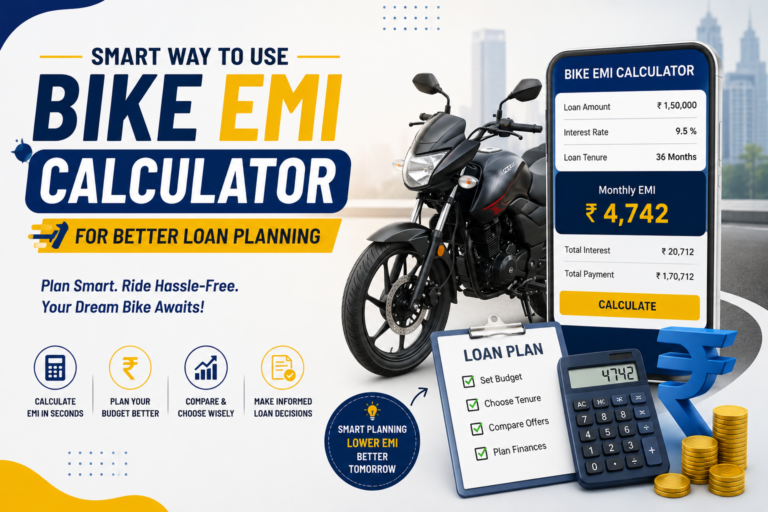
Electric Scooter on EMI and Zero Down Payment Electric Scooter Offers
Buying an electric scooter on EMI, or through a zero down payment electric scooter offer, has become very common. Most electric scooter brands and many e-cycle brands now offer EMI through banks, NBFCs and card-based no-cost EMI plans.
Before you sign up for a zero down payment electric scooter offer, check:
- The real interest rate. “No-cost EMI” often means the discount you would get on a cash purchase is given up instead.
- Processing fees and file charges.
- Insurance bundling. Some offers include expensive add-ons in the loan amount.
- Prepayment charges if you want to close the loan early.
- The total amount payable over the loan, not just the monthly EMI.
A low down payment is useful if it helps you switch from a petrol scooter and start saving on fuel right away. Just make sure the total interest does not wipe out those savings.
Battery Safety: AIS-156, BIS Standards and Fire Prevention
A few years ago, a string of electric scooter fires in India damaged buyer confidence. The government responded by tightening battery safety rules, and those rules matter when you shop.
What AIS-156 Means for Electric Scooters
For registered electric two-wheelers (L-category vehicles), battery packs must meet AIS-156. According to a battery-safety explainer by Mera EV, it was rolled out in two phases:
- Phase 1 (from 1 December 2022): pack-level fuse, water and dust protection, cell traceability and stronger BMS protections.
- Phase 2 (from 31 March 2023): thermal propagation testing, an audio-visual warning for overheating, earth-leakage detection on the charger, and cell testing at NABL-accredited labs.
BIS also published IS 17855:2022, a performance standard for lithium-ion traction battery packs used in electric road vehicles.
When buying an electric scooter, ask the dealer to confirm the battery is AIS-156 Phase 2 compliant. Any mainstream brand selling registered scooters today should say yes without hesitation.
Safety for E-Cycle Batteries
E-cycles are not registered vehicles, so AIS-156 does not formally apply to them. That makes your own checks more important:
- Buy from a known brand that names its cell supplier and offers a written warranty
- Make sure the pack has a BMS
- Use only the matching charger
- Never charge a swollen, dented or wet battery
- Charge on a hard, non-flammable surface, not on a bed or sofa
- Do not charge unattended overnight in a bedroom or near the main exit of your home
- Keep the battery out of direct sun while charging
Warning Signs That Your Battery Needs Attention
- Range drops suddenly, by more than about 30% within a few weeks
- The pack gets unusually hot while charging or riding
- The casing looks swollen, bent or cracked
- You smell burning plastic or a sweet chemical smell
- The charger shows error lights or stops charging early
If you notice swelling, smell or smoke, stop using the battery, move it outdoors away from anything flammable if it is safe to do so, and contact the maker.
How to Choose the Right Electric Bike: A 10-Point Checklist
Use this checklist before you buy any electric bike, e-cycle or electric scooter.
- Daily distance. Measure your real daily round trip. Choose a battery whose real-world range is at least 1.5 times that distance, so you are not stranded as the battery ages.
- Licence status. Decide whether you want a no-licence e-cycle (250W, 25 km/h) or a registered electric scooter. This decides almost everything else.
- Rider weight and load. Heavier riders and anyone carrying shopping or a bag every day should go one size up in battery and check the load rating.
- Route type. Smooth city roads suit slim tyres. Broken roads, sand and gravel suit fat tyres or front suspension. Hills suit a stronger motor and gears.
- Brakes. Insist on disc brakes, ideally on both wheels.
- Battery details. Check voltage, Ah, cell brand, BMS and warranty. A removable battery is very useful in flats.
- Weight. Lift the cycle. If you will carry it up stairs or into a lift, weight matters more than range.
- Frame and fit. Test-ride for frame size. Step-through frames suit many riders, especially in traditional clothing.
- Service and spares. Prefer brands with a service point near you. Ask about battery, controller and display availability.
- Total cost. Add accessories, a helmet, a lock, and the likely battery replacement cost to the purchase price.
Electric Bike Maintenance Tips
E-cycles and e-scooters need less maintenance than petrol vehicles, but they are not maintenance-free.
Weekly
- Check tyre pressure. Low pressure kills range and makes handling sloppy.
- Check brakes for grip and noise.
- Wipe the chain and add a little lubricant if it looks dry (e-cycles).
Monthly
- Check bolts on the motor axle, handlebar, seat post and battery mount.
- Clean the battery contacts with a dry cloth.
- Check brake pads for wear.
Every 6 months or 2,000 to 3,000 km
- Get a full service from an authorised centre.
- Ask for a battery health check if the brand offers it.
- Replace worn brake pads, chain or tyres as needed.
Common Myths About Electric Bikes in India
Myth 1: “E-cycles are just for lazy people.” An e-cycle on pedal assist still needs you to pedal. Many riders end up cycling more often because hills and heat no longer put them off.
Myth 2: “Any electric scooter is no-licence.” Only those within 250W rated power and 25 km/h are exempt. Most popular electric scooters are registered vehicles.
Myth 3: “The battery will need replacing every year.” A good lithium-ion battery usually lasts three to five years on an e-cycle and often longer on a well-managed electric scooter.
Myth 4: “EVs catch fire easily.” Battery fires do happen, but stricter standards since 2022 and 2023 have pushed brands to improve. Buying a compliant product and charging it correctly cuts the risk sharply.
Myth 5: “A ₹5,000 kit can make any cycle electric.” A complete kit with a working lithium battery costs far more. Kits at that price are missing the battery.
My Take: Who Should Buy What
If you want a single recommendation, here is how I would think about it for different people:
- Student or school-going teenager, short city trips: A ₹26,000 to ₹35,000 e-cycle with pedal assist, 25 km/h limit and disc brakes.
- Office commuter, 15 to 25 km round trip, no pillion: A ₹32,000 to ₹45,000 e-cycle with a 10Ah or larger battery and front suspension.
- Apartment dweller or metro commuter: A foldable electric cycle, but only after lifting it in the store.
- Rough roads or heavier rider: A fat-tyre e-cycle or a heavy duty model with dual disc brakes and a 48V or large 36V pack.
- Daily rider above 40 km or with a pillion: A registered electric scooter from a brand with strong local service, with the PM E-DRIVE subsidy factored in.
- Budget under ₹15,000 with an existing sturdy cycle: Save towards a complete conversion kit with battery rather than buying a “complete” kit at ₹5,000.
Electric Bike FAQs
1. Do I need a licence for an electric bike in India?
Not if it is a low-speed model with a rated motor of 250W or less and a top speed of 25 km/h or less. Above either limit, you need a valid two-wheeler driving licence, registration and insurance.
2. Which electric scooter does not need a licence?
Only electric scooters that stay within 250W rated power and 25 km/h. These are sold as low-speed models. Check the spec sheet for both figures and ask for a low-speed test certificate before buying.
3. What is the age limit for riding an electric scooter in India?
For low-speed e-cycles and e-scooters, there is no licence and so no licence age. For registered electric scooters, the usual minimum age for a two-wheeler licence is 18. Check with your RTO for gearless licence rules for 16 to 18 year olds, as practice varies.
4. Is a helmet required for an electric scooter?
Yes, on any registered electric scooter or motorcycle, for both rider and pillion. On a low-speed e-cycle, it is not legally required, but you should still wear one.
5. What is the price of an electric cycle in India?
Most branded e-cycles cost between ₹26,000 and ₹67,000 in 2026. Basic models start around ₹13,500 to ₹20,000, and premium long-range models go up to around ₹90,000.
6. How much does an electric cycle battery cost?
A replacement 36V e-cycle battery costs about ₹6,500 to ₹15,000, depending on capacity. A 7.8Ah pack usually costs around ₹7,500 to ₹8,500, and a 13 to 15Ah pack about ₹12,500 to ₹15,000.
7. What is the electric scooter battery price in India?
A replacement electric scooter battery usually costs between ₹45,000 and ₹1,20,000, or about ₹19,000 to ₹25,000 per kWh, depending on the model and capacity.
8. How long does an electric cycle battery last?
Usually three to five years, or about 500 to 1,000 full charge cycles, before capacity drops to about 70 to 80% of new. Heat, deep discharge and wrong chargers shorten it.
9. What range does an electric cycle give on one charge?
A 36V 7.65 to 7.8Ah battery typically gives 30 to 35 km on pedal assist. Larger 10 to 15.6Ah packs give 50 to 85 km. Throttle-only riding gives roughly a third less.
10. How much electricity does an electric cycle use?
A full charge of a 36V 7.65Ah battery uses about 0.3 units of electricity, which costs around ₹2 to ₹2.50 at typical home tariffs.
11. Is an electric cycle kit under ₹5,000 worth buying?
Only if you understand that it usually excludes the battery. A complete electric cycle kit with a lithium battery generally costs ₹14,000 to ₹28,000.
12. Can I convert my normal cycle to an electric cycle?
Yes. A 250W, 36V hub motor kit with a lithium battery can convert most sturdy 26 to 29 inch cycles. Make sure your cycle has good brakes, fit torque arms on the motor axle, and keep the motor at 250W with a 25 km/h limit to stay licence-free.
13. Which is better, a hub motor or a mid-drive motor?
For most city riders, a rear hub motor is the best mix of price, simplicity and ride feel. Mid-drive motors climb hills better but cost more and need more maintenance.
14. Is a foldable electric cycle good for daily use?
Yes, for short commutes and mixed metro-plus-cycle trips. Check the weight and the strength of the folding hinge, and expect a slightly smaller battery than a full-size e-cycle.
15. Are fat tyre electric bikes good on Indian roads?
They are very comfortable on broken roads, gravel and sand, and they feel stable. On smooth roads they use a little more battery and are heavier to handle.
16. Which electric cycle is best for women?
Look for a step-through frame, a weight under about 22 kg, a removable battery, disc brakes and a comfortable upright position. Stryder’s Voltic GO is one example of a step-through model.
17. Can a 15 year old ride an electric bike?
Yes, a low-speed e-cycle within 250W and 25 km/h needs no licence, so a 15 year old can legally ride one. Choose the right frame size, insist on a helmet and avoid fast roads.
18. Is there a subsidy on electric cycles?
No central subsidy applies to e-cycles. The PM E-DRIVE subsidy covers registered electric two-wheelers up to ₹5,000 per vehicle until 31 March 2028, subject to funds.
19. What is the GST on electric bikes?
Electric two-wheelers and e-cycles both attract 5% GST.
20. Petrol bike vs electric bike: which is cheaper to run?
Electric is much cheaper. An e-cycle costs under 10 paise per km and an electric scooter about 25 paise per km to charge, against more than ₹2 per km for a typical petrol scooter.
21. Can I carry a pillion on an electric cycle?
You should not. E-cycles are built for one rider. For two people, a registered electric scooter with helmets for both is the safe and legal choice.
22. Do electric bikes work in the rain?
Most e-cycles and e-scooters are splash-resistant and handle normal rain. Avoid deep water, dry connectors after a wet ride, and never charge a wet battery.
Final Word: Is an Electric Bike Worth It in 2026?
For most Indian city riders, yes. An electric bike, whether it is a ₹30,000 e-cycle or a registered electric scooter, cuts daily running costs to a fraction of petrol, needs less servicing, and is quieter and cleaner on the road.
The decision gets easier once you separate the two worlds clearly. If your daily trip is short and you ride alone, a low-speed electric cycle that stays within 250W and 25 km/h gives you licence-free, almost free-to-run transport. If you need speed, range or space for a passenger, a registered electric scooter with an AIS-156 compliant battery and the PM E-DRIVE subsidy is the smarter buy.
Whichever you choose, spend most of your attention on the battery: its size, its cells, its warranty and its replacement cost. That one part decides how far you go today and how much the vehicle costs you five years from now.