


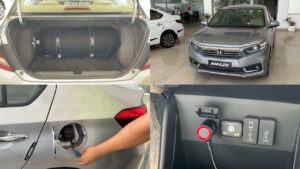
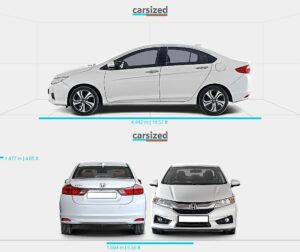
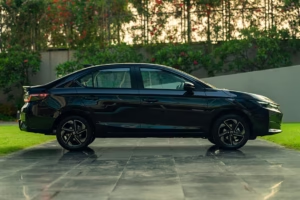


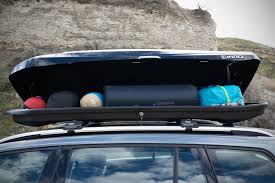
Heading on a family road trip but running out of boot space? A roof top box for car is the perfect solution — it adds secure, weatherproof storage on your roof, freeing up the cabin and boot. This guide covers everything you need to know: types, sizes, top brands, fitting, and how to choose the right roof box for your car.
What Is a Roof Top Box?
A Roof Top Box (also called a cargo box or roof box) is a hard, lockable, aerodynamic container that mounts on your car’s roof rails or cross bars. It is ideal for carrying luggage, camping gear, strollers, sports equipment, and anything else that won’t fit inside, while keeping it dry and secure.
Types of Roof Cargo Carriers
There are a few main options:
- Hard-shell roof boxes: Rigid, lockable, aerodynamic, and weatherproof — the best all-round choice for long trips.
- Soft roof bags: Cheaper, foldable fabric bags; good for occasional use but less aerodynamic and secure.
- Roof baskets/trays: Open metal trays for bulky items, often used with a net or straps.
What to Look for in a Roof Top Box
Before buying, consider: capacity (measured in litres — 300–500L suits most families), dimensions and weight (must fit your roof bars and stay within the car’s roof load limit), aerodynamics (low-profile designs reduce noise and fuel impact), opening style (dual-side opening is convenient), locking security, and ease of mounting. Always check your car’s maximum roof load (typically 50–100 kg including the box).
Top Roof Box Brands
1. Thule
The global gold standard. Thule roof boxes (like the Motion and Force XT ranges) offer premium quality, aerodynamic designs, dual-side opening, and secure locking — the top recommendation for serious buyers.
2. Yakima
A respected brand offering durable, well-designed cargo boxes with good capacity and easy mounting, a strong alternative to Thule.
3. Mont Blanc
Known for quality, stylish roof boxes with good aerodynamics and secure fitting, popular among European-car owners.
4. CarMate / INNO
Japanese brands offering reliable, value-oriented roof boxes with good build quality and a range of sizes.
5. Indian & Value Brands
Several locally available brands and soft roof bags offer budget-friendly storage for occasional trips, ideal for cost-conscious buyers.
Quick Comparison Table
| Type | Capacity | Best For |
|---|---|---|
| Hard-shell box | 300–500L | Long family trips |
| Soft roof bag | 300–450L | Occasional use, budget |
| Roof basket | Varies | Bulky/irregular items |
How to Fit and Use a Roof Box
To use a roof box safely: ensure your car has roof bars/cross rails (or fit them first), mount the box centrally and secure it firmly, distribute weight evenly and stay within the roof load limit, pack heavier items low and strap everything down, and lock the box before driving. Remember that a loaded roof box raises the car’s height and affects handling and fuel economy slightly.
Final Thoughts
A roof top box for car transforms how much you can carry on a road trip, keeping luggage secure, dry, and out of the cabin. Choose a quality hard-shell box (Thule leads the field) in the right size for your needs, fit it correctly within your roof load limit, and you’ll travel with far more space and comfort.
Frequently Asked Questions (FAQs)
Q1. What is the best roof top box for a car? Thule is the most recommended brand, offering premium, aerodynamic, secure roof boxes. Yakima and Mont Blanc are strong alternatives.
Q2. What size roof box do I need? A 300–500L box suits most families. Choose based on trip length, number of passengers, and your roof load limit.
Q3. Do I need roof bars to fit a roof box? Yes — roof boxes mount on cross bars or roof rails. If your car lacks them, fit compatible roof bars first.
Q4. Does a roof box affect fuel economy? Slightly — it adds aerodynamic drag and weight, so expect a small drop in mileage, especially at highway speeds.
Q5. Are roof boxes waterproof? Hard-shell boxes are weatherproof and lockable. Soft roof bags are usually water-resistant but less secure than hard boxes.