


Most EV coverage in India focuses on metro cities – Delhi, Mumbai, Bangalore, Hyderabad. But millions of car buyers live in cities like Kanpur, Nashik, Coimbatore, Surat, Ludhiana, Bhopal, and Vizag. The needs and concerns of EV buyers in these cities are different, and they deserve a guide built specifically for them.
This is that guide.
The Real Situation in Tier 2 and Tier 3 Cities
Tier 2 and tier 3 cities in India typically have fewer public fast-charging stations than metros. Service centres for EVs may be limited to one or two in the city. Driving habits tend to involve shorter daily distances, but also occasional longer trips to nearby metro cities or tourist destinations.
The good news is that all of these realities are manageable in 2026 if you choose the right EV and set up home charging properly. Most buyers in smaller cities drive under 60 km per day, which means charging once every few days from a home socket is entirely feasible.
Why Home Charging Is Even More Important Outside Metros
In metro cities, a dense public charging network means you have fallback options if your home charging situation is not ideal. In a smaller city, you may have fewer options. This makes setting up home charging a priority before you buy an EV.
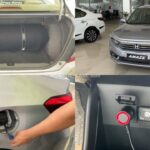
If you live in an independent house or have a personal parking space, this is straightforward. A certified electrician can install a 7.2 kW home charger in a day. If you live in an apartment, talk to your housing society about installing a common charging point or ask for permission to run a dedicated cable from your flat to your parking spot. Many societies in tier 2 cities are now open to this because of the growing interest in EVs.
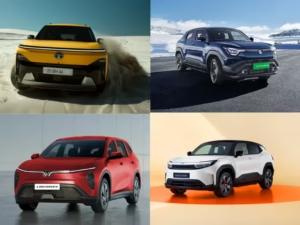
Tata Nexon EV – The Tier 2 City King
In smaller cities, the Tata Nexon EV stands out as the clear number one choice. The reason is simple: Tata’s service network. In most tier 2 cities and many tier 3 cities, there is at least one Tata-authorized service centre. For EV-specific service, Tata has been rapidly certifying these centres.
The Nexon EV’s 465 km range also means you can comfortably make that monthly trip to the nearest metro city and back on a single charge or with a quick fast charge en route. This flexibility matters a lot for buyers who are not exclusively city commuters.
Tata Tiago EV – Maximum Accessibility
For buyers in smaller towns who are buying their first car and want to go electric, the Tata Tiago EV at Rs 8.49 lakh removes the price barrier completely. Its 315 km range is more than enough for local commuting, and its compact size suits the narrower roads found in many tier 2 and tier 3 cities.
The Tata network support means servicing, spare parts, and technical help are relatively accessible even outside the top ten cities. If you are a first-generation car buyer in a smaller town, the Tiago EV is one of the most financially sound choices available.
Challenges to Plan Around – Honestly
Let us be honest about the challenges. Public fast charging is patchy in tier 2 cities and often absent in tier 3 cities as of 2026. Power cuts can be more frequent in some regions, which can affect overnight charging. EV-certified mechanics outside brand service centres are rare, so always-authorized service is essential.
Plan your EV purchase around these realities rather than ignoring them. If your daily commute is 40 to 50 km and you have a home parking spot, an EV works well even in a smaller city. If your commute involves long-distance travel between cities regularly without clear highway charging options, wait until the infrastructure in your corridor improves.
Government Support Reaching Smaller Cities
The central government has been deploying EV charging stations through EESL at district headquarters and major state highway rest stops. In 2026, this program has expanded to cover most tier 2 city areas and many tier 3 districts. Additionally, state government initiatives in states like Uttar Pradesh, Madhya Pradesh, and Rajasthan have included EV charging infrastructure in their smart city plans.
This means that the charging infrastructure gap between metros and smaller cities is shrinking every year. Buying an EV in a tier 2 or tier 3 city in 2026 is not as infrastructure-constrained as it was in 2022 or 2023.
The Bottom Line for Buyers in Smaller Indian Cities
The best electric cars in India in 2026 are viable and financially rewarding in tier 2 and tier 3 cities, provided you approach the decision with realistic planning. Set up home charging before delivery. Choose a brand with the strongest service presence in your city. Pick a car with a range comfortable for your inter-city trips, not just daily commuting.
Tata Motors remains the most practical brand for smaller city EV buyers in 2026. The combination of service coverage, product reliability, and strong resale value makes it the safest choice for buyers who are not in the top eight metros.
The EV revolution in India is no longer just a metro city story. It is coming to every corner of the country, and 2026 is a great year to be part of it wherever you live.