













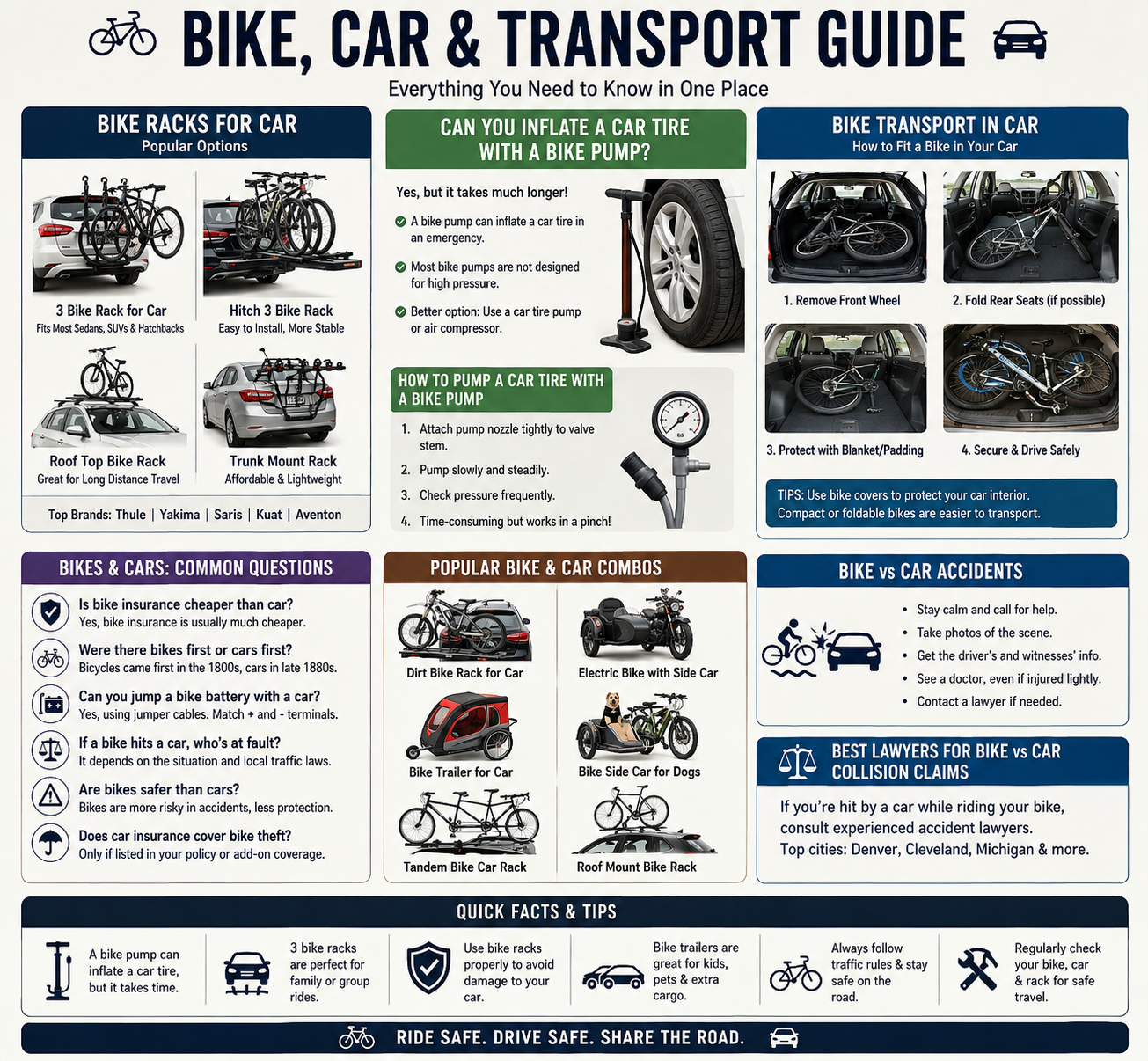
Whether you are a daily cyclist navigating city streets or a car driver sharing the road with cyclists, understanding the relationship between bikes and cars is essential. From accident liability to insurance costs, from right of way to settlement claims — there is a lot to know. This comprehensive guide answers the most searched questions about bike vs car situations, covering insurance, accidents, legal rights, and safety.
Is Bike Insurance Cheaper Than Car Insurance?
One of the most commonly asked questions is: is bike insurance cheaper than car? In almost every case, yes — bicycle insurance or motorcycle insurance is significantly cheaper than car insurance. However, the comparison depends on whether we are talking about bicycles or motorcycles.
Bicycle insurance typically costs between $100 and $300 per year, depending on the value of the bike, where you live, and what coverage you choose. Car insurance, by comparison, costs an average of $1,500 to $2,500 per year in the United States. That is a significant difference.
Motorcycle insurance — often what people mean by bike insurance — typically costs between $200 and $800 per year for a standard policy. This is still far cheaper than car insurance. The reason is simple: motorcycles cause less damage in accidents than cars, and the cost to repair or replace a motorcycle is generally lower than a car.
Bike vs car insurance comparisons also depend on the rider’s age, driving history, and the type of coverage selected. A young rider with a powerful motorcycle may pay more than a middle-aged driver with a modest car, but on average, bike insurance is considerably cheaper than car insurance.
Does Car Insurance Cover Bike Theft?
This is a nuanced question. Standard car insurance does not cover bicycle theft. However, if you have comprehensive homeowner’s insurance or renter’s insurance, your bicycle may be covered under personal property protection, even if it is stolen from your car or from outside your home.
Does car insurance cover bike theft in specific scenarios? If a bicycle stored in your car is stolen during a car theft event, some comprehensive auto policies may cover it as personal property inside the vehicle, but this varies by insurer. Always check your specific policy or speak with your insurance agent for clarity.
Bike vs Car Accident: Who Is at Fault?
Bike vs car accidents are unfortunately common, and determining fault is not always straightforward. The rules vary by state and country, but some general principles apply universally.
In most jurisdictions, cyclists have the same rights and responsibilities as motor vehicle drivers. This means a cyclist can be at fault in a collision just as easily as a car driver. However, certain situations typically lean toward the car driver being at fault.
If a car hits a bike from behind while the cyclist is riding in a designated bike lane, the car driver is almost certainly at fault. If a car runs a red light or stop sign and hits a cyclist, the driver is at fault. If a driver opens a car door into a passing cyclist — known as dooring — the driver is at fault.
Car bike accident who is at fault Michigan follows Michigan’s modified comparative fault rule, which means fault can be shared between both parties. If a cyclist is riding erratically, without lights at night, or the wrong way down a street, they may share partial fault even if a car hits them.
Car Hit Bike: What to Do Immediately
If you are involved in a car hitting a bike situation, whether you are the driver or the cyclist, the steps to take are clear. Car hit bike situations require immediate and careful action.
For the cyclist: First, move out of traffic if it is safe to do so. Call emergency services if anyone is injured. Exchange information with the driver — name, contact information, insurance details, and vehicle registration. Document everything: photograph the scene, the damage, road conditions, and any relevant signage. Do not admit fault at the scene.
For the driver: Pull over safely and check on the cyclist immediately. Call 911 if there are injuries. Exchange information as required by law. Do not leave the scene, as hit and run laws apply to bike accidents just as they do to car accidents.
Hit by Car on Bike: Understanding Your Rights and Settlement
If you were hit by car on bike, you may be entitled to compensation for medical expenses, lost wages, pain and suffering, and property damage (your bicycle). The amount of compensation depends on the severity of your injuries, the degree of fault assigned to each party, and the insurance coverage involved.
Hit by car on bike settlement amounts vary widely. Minor accidents with no serious injury might settle for a few thousand dollars. Serious accidents involving broken bones, head trauma, or long-term disability can result in settlements of tens or even hundreds of thousands of dollars.
I was hit by a car while riding my bike — what should I do? Start by seeking medical attention immediately, even if you feel okay. Adrenaline can mask pain, and some injuries do not become apparent until hours or days later. Document your injuries with medical records, then consult a personal injury attorney who handles cyclist cases.
Best Denver Lawyers for Bike vs Car Collision Claims
If you are in Denver and were involved in a bike vs car collision, working with an experienced personal injury attorney is crucial. The best Denver lawyers for bike vs car collision claims understand Colorado’s traffic laws, cyclist rights, and insurance claim processes thoroughly.
When comparing Denver car accident lawyers for bike vs car collisions, look for attorneys who specialize in personal injury and have specific experience with cycling accident cases. A good attorney will handle everything from evidence gathering and insurance negotiations to filing a lawsuit if necessary. Most bike accident lawyers work on contingency — meaning they only get paid if you win.
Cleveland Car Accident Lawyers Bike vs Car Collisions
Similarly, in Cleveland, Ohio, cyclists who are hit by cars should seek representation from lawyers who focus on bike vs car collision cases. Ohio follows a comparative negligence rule, so even if the cyclist is partially at fault, they may still recover compensation proportional to the driver’s degree of fault. Cleveland car accident lawyers who specialize in bike vs car collisions can help you navigate this process effectively.
Hit by a Car While Riding a Bike: Common Injuries and Recovery
Being hit by a car while riding a bike can cause a wide range of injuries, from minor scrapes and bruises to life-altering trauma. Common injuries include road rash and skin abrasions, broken collarbone or wrist from impact, rib fractures, traumatic brain injury even when wearing a helmet, spinal injuries, and internal bleeding.
Recovery time depends on injury severity. Minor injuries may heal within weeks, while serious trauma may require months of rehabilitation or permanent medical care. It is essential to follow all medical advice and keep detailed records of your recovery, as these become critical evidence in any legal claim.
Knocked Off Bike by Car Compensation: What Can You Claim?
If you were knocked off bike by car, compensation can cover multiple categories of damages. Medical expenses — both past and future — are the most obvious. Beyond that, you can claim lost wages if your injuries prevent you from working, pain and suffering for physical and emotional distress, the cost to repair or replace your bicycle, and transportation costs for medical appointments.
Knocked off bike by car compensation amounts are determined by negotiation with the at-fault driver’s insurance company, or by a court judgment if the case goes to trial. Having legal representation significantly increases the likelihood of receiving fair compensation.
If a Bike Hits a Car Who Is at Fault?
This question flips the typical accident scenario. If a bike hits a car, who is at fault depends on the circumstances. If a cyclist runs a red light and hits a car proceeding through a green light, the cyclist is at fault. If a cyclist is riding in a bike lane and a car suddenly turns across the bike lane, the car driver is at fault.
What happens if a bike hits my car as a driver? If you are the car driver and a cyclist hits your vehicle, and the cyclist was at fault, you may be able to file a claim against the cyclist for property damage. However, collecting on such a claim can be challenging since cyclists typically do not carry liability insurance unless they are motorcyclists.
Right of Way Between Bikes and Cars
Understanding right of way between bikes and cars prevents accidents and reduces legal disputes. In general, cyclists have the same right of way as other vehicle operators at intersections. At a four-way stop, the first vehicle to arrive has the right of way, whether it is a bike or a car.
Cyclists typically have right of way in designated bike lanes. Cars must yield to cyclists when turning across a bike lane. Pedestrians generally have right of way over both cyclists and cars at crosswalks. At driveways and alleyways, cyclists on the main road have right of way over cars pulling out.
Are Bikes Safer Than Cars?
This is a complex question. On a per-trip basis, cycling is statistically more dangerous than driving a car. Cyclists are more vulnerable in accidents because they lack the structural protection of a vehicle body. Per mile traveled, cyclists face a higher fatality rate than car occupants.
However, are bikes safer than cars when considering overall health impact? Research shows that regular cycling dramatically improves cardiovascular health, reduces chronic disease risk, and increases life expectancy. The health benefits of cycling outweigh the injury risk for most people, especially in areas with good cycling infrastructure.
Were There Bikes First or Cars First?
A fun historical question: were there bikes first or cars first? Bicycles came first. The first recognizable bicycle — the Laufmaschine or running machine — was invented by Karl Drais in 1817. The modern pedal bicycle emerged around 1860. The first practical gasoline-powered automobile was invented by Karl Benz in 1885. So bicycles predate cars by roughly 70 years.
Bike vs Car Accident Michigan: What You Need to Know
Michigan has specific laws governing car bike accidents. Michigan is a no-fault insurance state, which means that after an accident, each person’s own insurance typically covers their medical expenses regardless of fault. However, cyclists in Michigan may be covered under the Personal Injury Protection (PIP) of a vehicle owner’s policy if they were struck by that vehicle.
Car bike accident what to do Michigan: Contact law enforcement, seek medical attention, and consult an attorney who understands Michigan’s no-fault laws as they apply to cyclists. The legal landscape is complex, and professional guidance is essential.
Conclusion: Navigating the Complex World of Bike and Car Interactions
Whether you are asking about bike vs car insurance costs, recovering from being hit by a car while on your bike, or simply trying to understand right of way rules, knowledge is your best protection. Understanding your legal rights, having proper insurance coverage, and knowing what to do after an accident can make a significant difference in the outcome of any bike vs car situation.
Stay safe, wear your helmet, follow traffic laws, and when in doubt, consult a professional — whether that is an insurance agent or a personal injury attorney.