






A rooftop cargo box, commonly called a roof box or top box, is one of the most practical accessories you can add to your car for long road trips, family holidays, or adventure travel. It dramatically increases your car’s cargo capacity without affecting passenger comfort inside the cabin. Whether you are heading to the hills with ski gear or going on a beach holiday with the family, a well-chosen rooftop box can transform your travel experience. This guide covers everything you need to know about buying a rooftop box for your car in India.
What is a Car Rooftop Box and How Does it Work?
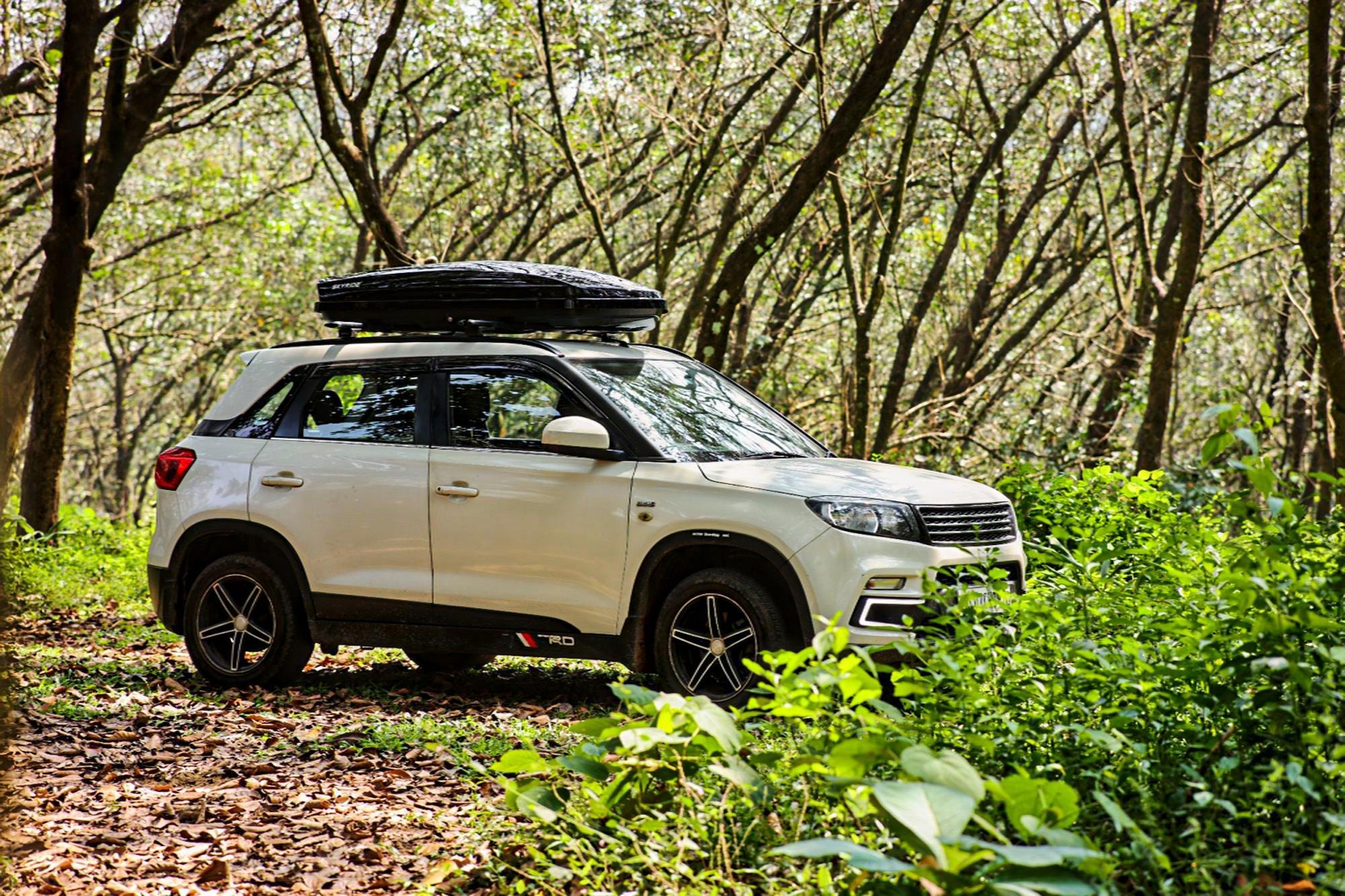
A rooftop cargo box is a hard-shell or soft-shell container that mounts on your car’s roof rails or crossbars. It can carry additional luggage, camping gear, sports equipment, and other bulky items that would otherwise clutter the passenger cabin or boot. Most roof boxes are aerodynamically designed to minimise wind resistance and noise, though they will always create some additional fuel consumption due to increased drag. They open from one or both sides and typically feature a secure locking mechanism.
Does Your Car Need Roof Rails or Crossbars?
Before buying a roof box, you must check whether your car has roof rails or crossbars. Many SUVs and hatchbacks in India come with integrated roof rails, but a separate set of crossbars is needed to actually mount a roof box. Without crossbars, you cannot safely install any roof-mounted cargo carrier. Universal crossbars are available in the aftermarket for most popular Indian car models. Ensure the crossbars you buy are rated to carry the weight of the loaded roof box you intend to purchase.
Types of Rooftop Boxes Available in India
Rooftop boxes are available in hard-shell and soft-shell variants. Hard-shell boxes are made from ABS plastic or fibreglass and offer better protection against rain, dust, and theft. They are more aerodynamic and look more integrated with the vehicle. Soft-shell roof bags are made from waterproof fabric and are easier to store when not in use since they can be folded flat. They are generally cheaper but offer less protection. For Indian conditions with monsoon rain and dusty highways, hard-shell boxes are the recommended choice.
Capacity – How Big a Roof Box Do You Need?
Roof box capacity is measured in litres. A 300-litre box is suitable for weekend getaways for two people. A 400 to 500-litre box comfortably handles luggage for a family of four for a week-long holiday. Boxes above 500 litres are ideal for large families or adventure travellers with bulky camping and sports equipment. Always ensure the total weight of what you plan to carry does not exceed the box’s weight rating or your car’s roof load limit, which is specified in the owner’s manual.
Top Roof Box Brands Available in India
Thule is the global leader in roof boxes and is available in India through authorised dealers. Their Thule Motion XT and Thule Force XT series are popular among premium car owners. Yakima is another respected international brand with roof box options available in India. For more budget-conscious buyers, local and Chinese-origin brands like Carmate and AutoKraftZ offer decent quality roof boxes at significantly lower prices. Always buy from a reputable seller and check that the mounting hardware is compatible with your specific crossbar system.
Installation Tips for Roof Boxes in India
Always follow the manufacturer’s installation instructions carefully. Ensure the box is centred and level on the roof. Tighten the mounting clamps firmly but do not overtighten, as this can damage crossbars or the box itself. After driving for the first 100 km or so, stop and re-check that all fasteners are still secure. Most roof boxes have indicator windows on the clamps that turn red when the clamp is properly tightened. Never exceed the weight limit printed on the box or your vehicle’s roof load rating.
Effect on Fuel Economy and Driving
A roof box will noticeably increase your car’s fuel consumption due to the additional aerodynamic drag. Expect a reduction of roughly 5 to 15 percent in fuel efficiency depending on the box size, speed, and load. On long highway drives at 100 km/h or above, the impact is more significant. To minimise fuel penalty, choose an aerodynamically shaped box, do not overload it, and avoid driving at excessively high speeds with it mounted. Remove the roof box when not in use to restore normal fuel efficiency.
Security Considerations for Roof Boxes
Most quality roof boxes come with a key lock system to prevent unauthorised access. However, no roof box is completely theft-proof if someone is determined enough. When parking in busy areas or overnight, consider whether valuables should be left inside the roof box. Some travellers use an additional cable lock through the box handles for added security. Thule and Yakima boxes are generally considered more secure due to better build quality and more robust locking mechanisms compared to cheaper alternatives.
Recommended Roof Boxes for Popular Indian Cars
For compact cars and hatchbacks like the Maruti Baleno or Hyundai i20, a 300 to 350-litre box is ideal as these cars have lower roof load limits. For mid-size SUVs like the Hyundai Creta, Tata Nexon, or Kia Seltos, a 400 to 430-litre box is a good match. For larger SUVs like the Toyota Fortuner, Tata Safari, or Mahindra XUV700, you can comfortably use a 500-litre or larger box. Always verify the exact roof load limit in your owner’s manual before making a purchase decision.